
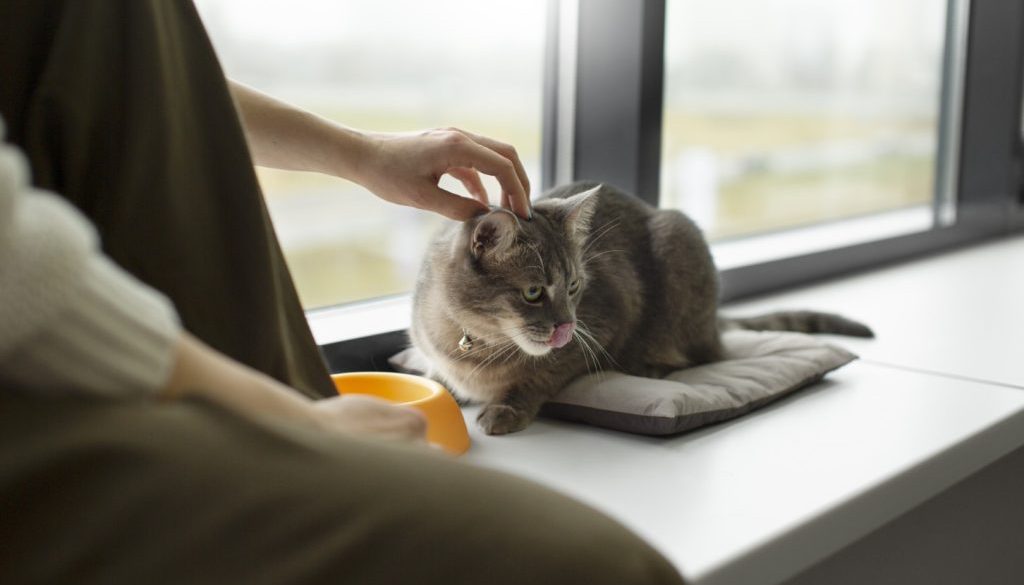
How to move house with a cat: 7 tips to help your cat adapt without stress Copy
Moving with cats is not the same as moving alone. For them, home is their world: their beds, their corners, their routines?
Moving can be a nerve-wracking experience if you don't plan carefully. But don't worry: with patience, strategy and a few tricks you can make the move as smooth as possible for yourself... And for your feline.
Today we tell you how to make a move with cats step by step, with real situations, ideas and solutions to minimise stress before, during and after the move.
1. Prepare in advance
Cats are highly sensitive to changes, So planning ahead is key.
So the first thing to do is to identify a “safe haven” indoors before the move begins: a room that has a bed, a sandbox, food and even some toys.
This way, when it arrives at the new house, you will have a place that is familiar to you and where you will feel safe and secure. whenever something about the new situation causes anxiety or stress.
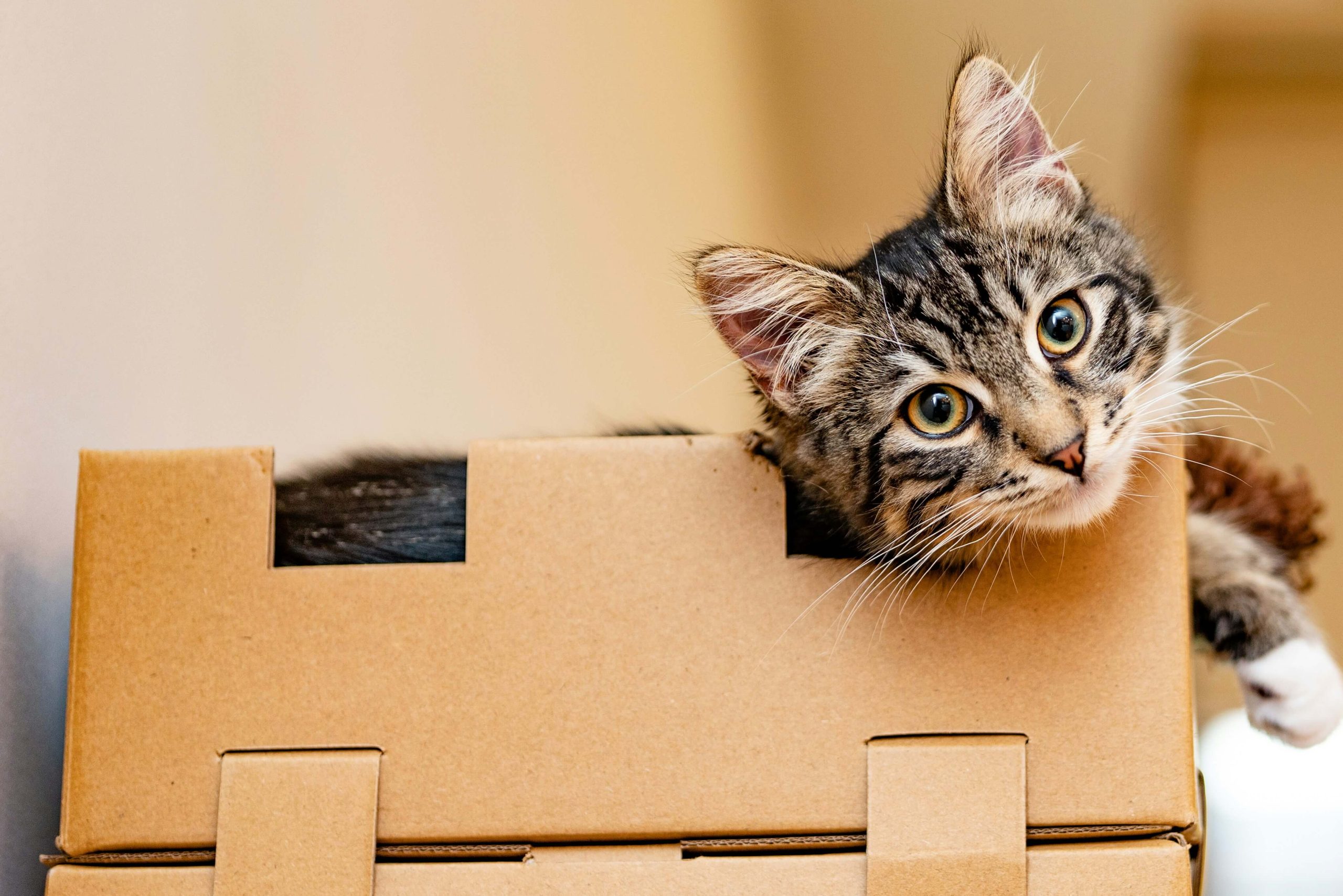
2. Make the transport cage stop being a bad thing
Many people find that their cats hate being in the carrier... On the day of the move, and that won't make things easy for you.
That is why, it is important to give him time to get used to it and to get used to it. to him so that on the day of the change you can take him to a safe place that is comfortable for him.
You can leave it open for a few days beforehand in your current home, together with its blanket or toys or with some food. This way, little by little, he will get used to coming in and it will be much easier for both of you on moving day.
And an extra tip: on the day of the move, put a blanket or cloth over the carrier so they can't see everything going on around them. It will help them feel less stressed and more secure.
3. The big day: less chaos for more peace of mind
When the removal company arrives (or if you've decided to do it yourself) and the noise starts, the best thing to do is to have your cat in their safe room with the door closed.
If this safe space is in your old house, we recommend that you leave this room for last, so your cat won't feel unprotected.
4. Arriving at your new home: step-by-step to help you adapt in the best possible way
When you arrive at your new flat or house, don't let your cat run around. It's best to keep it in your “safe room”, with their things.
This will give you less stimuli to manage on the first day, and you can gradually introduce them to their routine until they feel comfortable in the whole house.
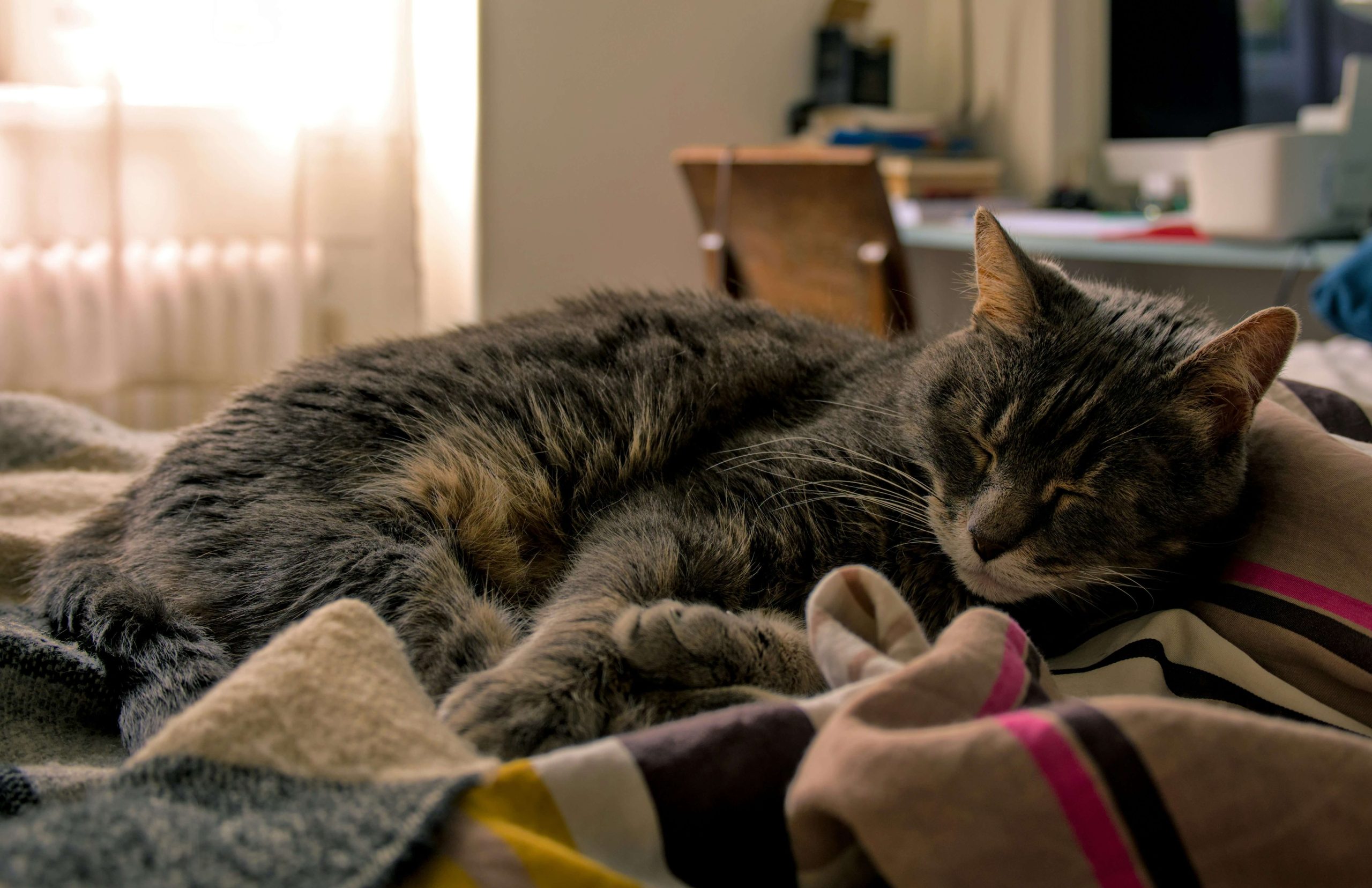
In addition to this, a little trick that could help you in the adaptation process is to create “hiding places” around the house. These can be boxes, beds or the kennel itself, the important thing is that they will give him a space where he has control and can take shelter while he explores every corner of the house.
5. Make smell work in your favour
Smell is a cat's superpower and this can work in your favour.
One way to take advantage of this is to pass a blanket or fabric that you have had in your old house and then pass it over the frames and skirting boards of the new home, for your cat to recognise its scent.
You can also use pheromones, in a diffuser or spray, and encourage them to mark the house by exploring it and discovering the new space in a more natural way.
6. Patience and routine: your allies when moving in with cats
Despite all the advice we give you, every cat is different and the time it takes to adapt will vary greatly.
Therefore, patience and routine are the key. Keep their feeding, playtime and cleanliness as close to what you did in your old home as possible.
Gradually you will see that he will feel more comfortable and will return to his routine and his way of being before the move.
Moving with a cat isn't just about taking it in the car; it's about accompanying it in the process.
With planning, patience and the right steps, you can turn a stressful time for your pet into a much smoother transition.
And while you make sure that your pet's move is a positive one, at Gil Stauffer we can help you enjoy a smooth move with more than 120 years of experience.


 English (UK)
  Español