
Moving in winter: how to avoid damage due to cold or damp with these 7 Copy tips
Moving house in winter can seem like an impossible mission: rain, cold, slippery floors, boxes that seem to magically absorb moisture...
And yet thousands of people do it every year without damage to their belongings. The secret? Preparation.
Because a winter move doesn't have to mean chaos, as long as you know how to protect your belongings from the elements.
If you are about to move house in the middle of the cold season, here's a practical guide to do it without the drama, without surprises and without your sofa ending up smelling musty for months.
1. The weather is unforgiving: be prepared and avoid surprises when moving house in winter.
In summer you can improvise, but in winter it becomes more complicated.
Before planning your move, check the weather forecast for the day you plan to move. If heavy rain, snow or frost is forecast, adjust the timetable or, if possible, change the date to one that makes the move easier.
And don't forget this key step: check daylight hours. Shorter days mean less room for unforeseen events. It is always better to start early and take advantage of the drier and warmer hours of the day.
2. The silent enemy: humidity
The cold can be uncomfortable, but what can give you real headaches is the dampness, which can affect your furniture and belongings.
So, to minimise possible moisture damage, keep these tips in mind:
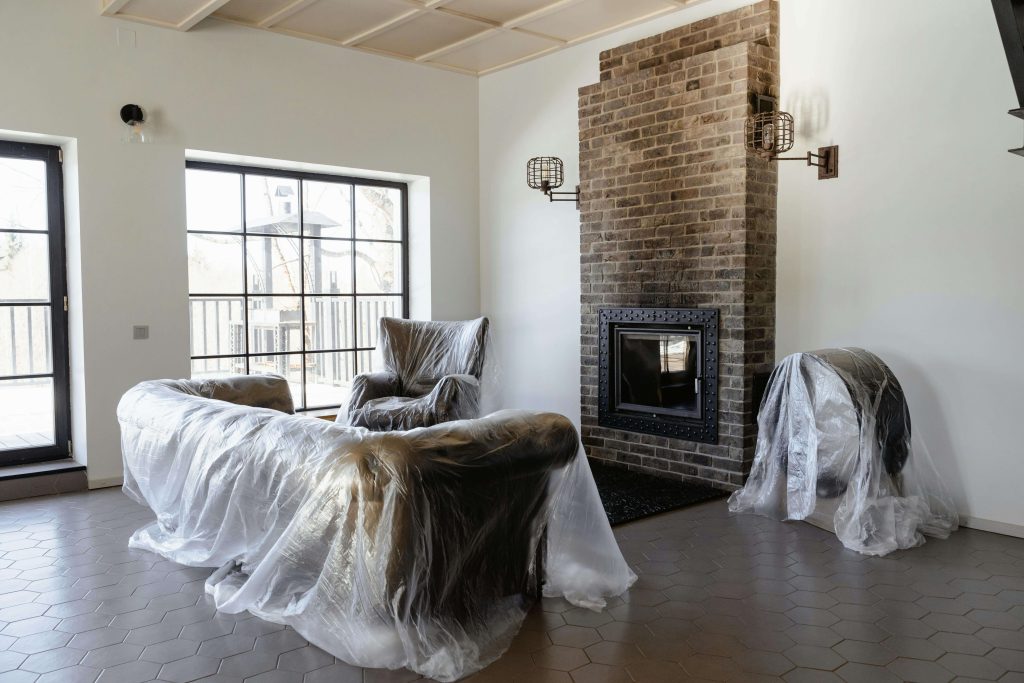
Protects textiles and upholstered furniture: use thick plastic covers for sofas, mattresses and armchairs. If you don't have specific covers, use thermal blankets plus heavy-duty plastic.
Uncovered fabric can get wet very quickly on a rainy day, and will then be difficult to dry due to lower winter temperatures.
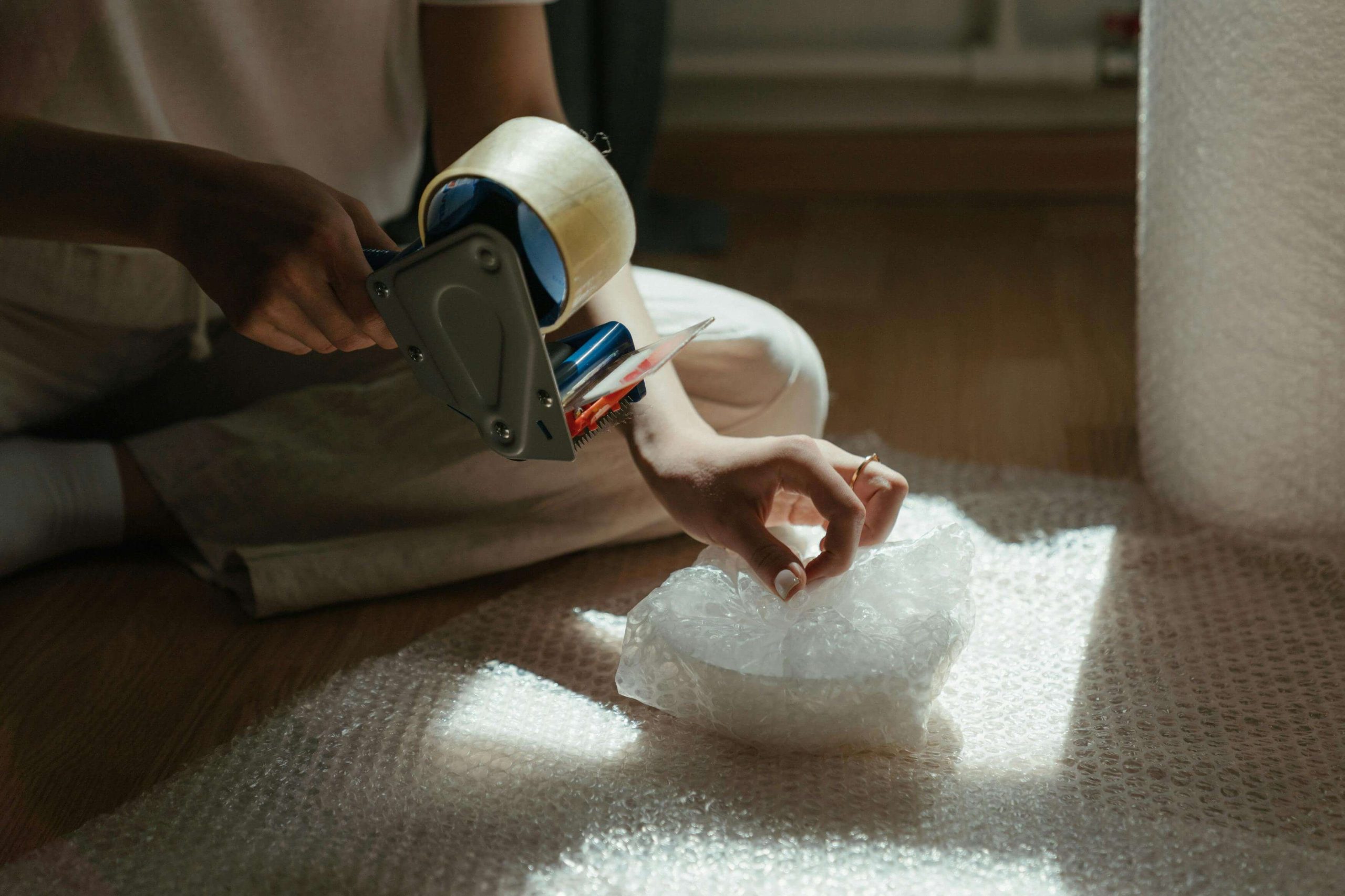
Close the boxes tightly: Moisture can enter through poorly sealed corners. Use wide tape and reinforce the base of all boxes.
This gives you peace of mind that whatever is inside your boxes won't get wet and damaged.
Avoid cardboard outdoors: If you have to leave boxes outside for a period of time, try to rest them on something dry or insulating such as plastic, an old carpet or a thick blanket. Direct contact with cold or wet ground is an invitation for moisture to seep in between the boxes.
3. Smart packaging: winter is unforgiving of mistakes
In a winter move, packing is your first line of defence against damage:
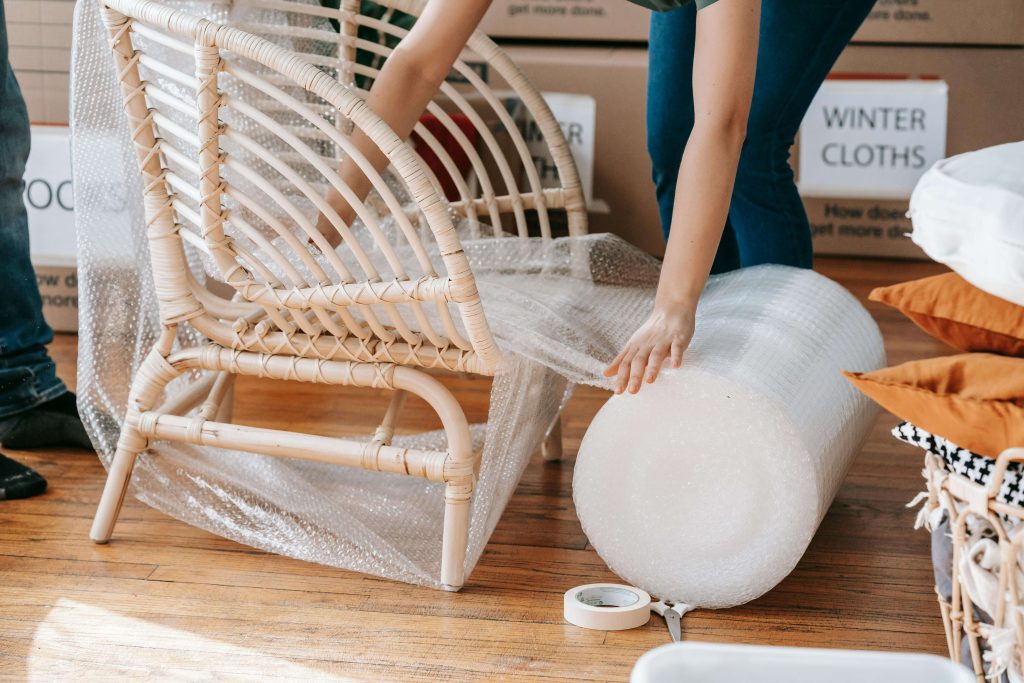
- Water-sensitive objects: Small electrical appliances, books, electronic devices... Protect them with bubble wrap and put them in plastic or reinforced boxes.
- Wooden furniture: are the most vulnerable at this time of year. Moisture can deform them or mark the surface. Cover them well and prevent them from spending too much time outdoors.
- Clothing: use vacuum bags; they take up less space and protect it from odour and moisture.
And a very pro tip: boxes containing cold-sensitive items (electronics, fine ceramics, instruments) should be marked in large letters so that they are not left at the back of a cold truck for hours.
4. Beware of frost: protect your soil and equipment.
Getting in and out of a house in rain or snow is not only uncomfortable: it can be dangerous.
- Place rugs or thick towels at the entrances to prevent the ground from becoming an ice rink.
- Wear shoes with good grip. Half of all winter moving accidents are caused by silly slips.
- Protects the soil both your current home and your new one. Ice and mud can scratch and stain more than you think and make everything a lot dirtier.
5. In the new house: warm up the rooms before entering.
This is a very effective trick for winter removals: if you can get access first, heat the house you are moving into.
Turning up the heating a little before unloading will reduce the humidity in the air and help textiles and boxes to adapt smoothly. A freezing house causes objects to accumulate condensation instantly.
You will also work more comfortably and safely. That is why in one of In our previous articles we told you that, whenever possible, you will try to have the supplies in your new home up and running before the first night.
6. The most delicate objects in winter
Although we have already mentioned some items that can suffer more than usual in winter, these are the ones you should pay the most attention to:
- Electronics: tablets, computers, televisions... extreme cold can damage them.
- Plants: Many do not withstand more than 10 minutes of exposure to the cold. Take them with you in the car if possible.
- Art and photographs: Moisture can damage canvases or warp frames. Protect them with plastic and blankets. As for photos, cold or humidity can also affect the development.
- Liquids and cosmetics: some freeze or alter their texture. Carry them in a space where they will not be exposed to extreme temperatures, such as your first day kit.
7. What if it rains at the key moment? Plan B (which few have)
If it starts raining in the middle of the move, don't worry, Here are some tips that might help you:
- Create a small “tunnel” or roof with plastic or tarpaulins from the door of the building to the vehicle.
- Prioritise unloading what is urgent and leave what is best protected inside the truck for unloading when the rain stops.
- Use towels and cloths to dry boxes before placing them inside.
- Do not open wet boxes until they are dry, otherwise moisture will get inside.
It's not an ideal situation, but if it catches you by surprise, with these tips you can get out of the way and prevent anything from going wrong.
Winter moves: tougher, yes, but totally manageable with these tips
Moving in winter has a bad reputation, but with the right strategy it can be as safe a process as at any other time of the year.
The key is to anticipate moisture, protect each object well and work calmly and with foresight.
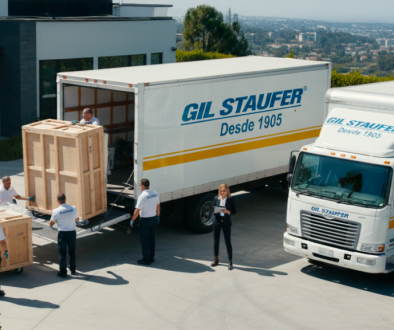
And if you don't want to worry about any of this, En Gil Stauffer we have the necessary equipment, materials and processes so that your move goes smoothly at any time of the year.
Pecause the weather can change, but a well-made move should not.

 English (UK)
  Español